Genesis Part 1 creature planning for ARK: Survival Ascended, verified as of 2026-07-02. Exact taming methods and stats can differ in ASA, so confirm in game before a serious tame.
Best answer
Genesis Part 1 brings back five exclusive creatures, the Astrocetus, Bloodstalker, Ferox, Magmasaur and Megachelon, plus the new ASA-only Palaeoctopus that ships with the free map. One thing to clear up first: Gacha, Karkinos, Featherlight, Bulbdog and Gasbags are not Genesis Part 1 creatures. They come from other maps already in ASA - Karkinos, Featherlight and Bulbdog from Aberration, Gacha and Gasbags from Extinction - so none of them are Genesis Part 1 exclusives.
Genesis Part 1's creatures are why a lot of players come to the map - each biome has a signature tame that solves a real problem, from a mobile ocean base to a lava-immune smelter - and this guide covers what each one is actually for. It also settles a constant search mixup: Gacha, Karkinos, Featherlight, Bulbdog and Gasbags are not Part 1 creatures, they come from Aberration and Extinction, which are already in ASA (the Karkinos only spawns here at a very low rate in a Lunar cave and is the workhorse of the volcano Element farm). Taming methods can be adjusted in ASA, so confirm the current method in game, and for competitive stat lines see the best dino lines guide.
The Astrocetus lives in the Lunar biome and is one of the few flying creatures you can actually ride inside the Genesis simulation, which alone makes it valuable on a map built around teleport-locked biomes. It is a heavy space whale rather than an agile flyer, so think of it as an air platform and mobile firepower rather than a dogfighter. It is also the target of the A Captain's Conquest Brute hunt mission, so you will run into it either way.
The Bloodstalker hangs in the Bog canopy and moves by firing a grapple-hook tongue that lets it swing across terrain and snatch creatures or survivors out of position. On a map where the Bog is full of hazards and vertical movement, a tamed Bloodstalker is one of the best traversal tools in the game, and it makes the Bog missions covered in the mission walkthrough far less painful. It is a nervy tame to attempt because of how it hunts, so read the current method before you try.
The Ferox is the trick creature of the Arctic. In its default state it is a small, cute shoulder pet, but feed it Element and it transforms into a large, powerful Elemental form that hits hard in melee. The catch is that it gets addicted to Element, so it is a maintenance creature, not a set-and-forget tame. Small form is utility and stealth, large form is a melee bruiser. It is also the Brute target of the Hyde and Seek mission.
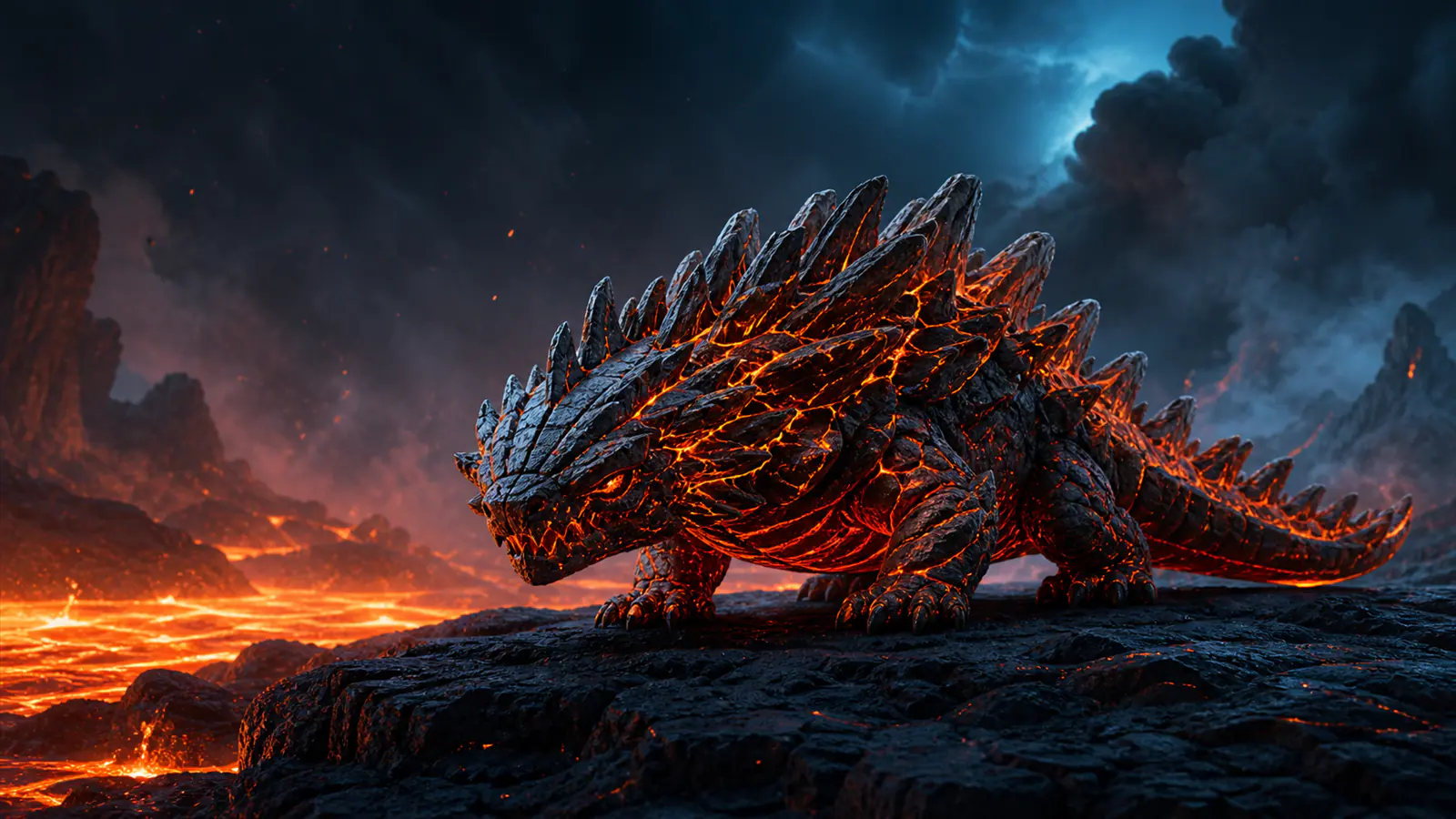
The Magmasaur is the practical workhorse of the set. It is lava-immune and highly fire-resistant, so it moves freely through the Volcanic biome that punishes everything else, and it can smelt ore directly into metal ingots by eating it, which turns it into a walking forge. It also spits magma for offense. For anyone farming the Volcanic biome or running its missions, a Magmasaur removes most of the biome's friction. It is one of the most useful tames on the whole map.
The Megachelon is a giant turtle you can build structures on, which makes it a literal moving base and tank in the Ocean biome. With the rebuilt open water in the ASA version, a floating platform you can crew and defend is even more useful than before. It is slow and deliberate rather than a combat mount, so value it for logistics, safe storage on the water and a mobile respawn point rather than for fighting.
The Palaeoctopus is the community-voted new creature for the ASA relaunch, and it comes with the free map rather than the paid Tides of Fortune DLC. It is a giant Late Cretaceous octopus that plays like a kraken: it has color-changing camouflage, can climb steep cliffs and grabs survivors into crushing tentacle holds. As a wild creature it is a genuine new ocean threat, and as a tame it is one of the headline reasons to explore the reworked Ocean. Since it is brand new, confirm the current taming method in game rather than trusting older Genesis info.
Alongside the signature tames, Genesis biomes are populated with X-Creatures, which are biome-specific variants of ordinary wild dinos like X-Rex, X-Spino, X-Allosaurus and X-Megalodon. They come with unique skin patterns that adapt to their biome, plus real stat differences over their normal versions, so a strong X-variant can be worth taming when you find one. Keep an eye out while running missions, because the biome you are in determines which X-Creatures spawn.
The numbers are worth knowing before you engage one. In the wild, X-Creatures punch well above their level: they deal roughly 250% more damage and take about 60% less, so an X-Rex is a genuine threat to an unprepared line. Tamed, the trade is small but real, around a 5% damage bonus for a 3% health reduction, and they can be leveled further after taming, with roughly 88 post-tame level-ups against about 73 on an ordinary dino. Confirm the current values in game, since ASA can adjust them.
If you want a boss-ready or mission-ready line without weeks of breeding, compare dino lines and FFA tames and ask in Discord what Genesis creature coverage is live as the map settles. For PvP stat targets, the best dino lines guide covers what to breed for.
FAQ
Common questions
What creatures are exclusive to Genesis Part 1?
Five return from the original: Astrocetus, Bloodstalker, Ferox, Magmasaur and Megachelon. The ASA relaunch adds the Palaeoctopus on the free map. Biomes also spawn X-Creature variants of normal wild dinos.
Is Gacha in Genesis Part 1?
No. Gacha and Gasbags are Extinction creatures, and Karkinos, Featherlight and Bulbdog come from Aberration. All are already in ASA through those maps, but none of them spawn as Genesis Part 1 exclusives.
What is the Palaeoctopus?
It is the community-voted new creature for ASA's Genesis Part 1, a kraken-style giant octopus with color-changing camouflage, cliff climbing and tentacle grabs. It comes with the free map, not the paid Tides of Fortune DLC.
Is the Megachelon good as a mobile base?
Yes. It is a giant turtle you can build structures on, so it works as a moving base, safe storage and platform on the water. It is slow and built for logistics rather than combat.
If the guide tells you the grind is bigger than the reward, the marketplace can turn that checklist into a private Discord ticket with availability confirmed before ordering, delivery timing and a clear quote.